
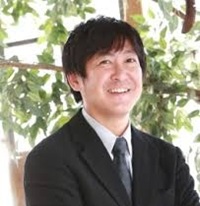
Prof. Ryuta Takashima, Tokyo University of Science, Japan
Bio: Dr. Ryuta Takashima is a Professor at the Department of Industrial and Systems Engineering in Tokyo University of Science, Japan. He received his Master’s and Ph.D. degrees from the Graduate School of Engineering at The University of Tokyo. He has authored over 50 research papers and contributed to conferences, book chapters, and editorials. His research areas include energy economics, health economics, and policy science, especially the application of industrial engineering, operations research, and economics theories to energy, environmental, and healthcare policies. He is also an Executive Director of the Global Infrastructure Fund Research Foundation, Japan, and a Board Member of the Public Opinion Poll for Nuclear Energy in Japan.
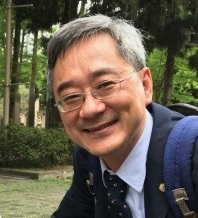
Prof. Hsing-Cheng Hsi, National Taiwan University, Taiwan
Bio: Dr. Hsing-Cheng Hsi received his Bachelor's degree (1992) and Master's degree (1994), both from the National Taiwan University, Taiwan. He got his PhD degree at the Department of Civil and Environmental Engineering, University of Illinois at Urbana-Champaign in 2001. Dr. Hsi is a professor and former director at the Graduate Institute of Environmental Engineering, National Taiwan University. Dr. Hsi’s expertise is in the development of novel technology for air pollution control, water treatment and reuse, and soil/sediment remediation. His research interests include (1) synthesis of novel carbonaceous adsorbents and metal oxide/photocatalysts for adsorption and catalytic oxidation or reduction in control of toxic metals (especially mercury), SOx, NOx and VOC presenting in air/flue gases, water and wastewater, soil, and sediments; (2) development of novel active capping for remediating contaminated sediment by release inhibition; (3) fabrication of novel carbonaceous material for precious and rare metal recycling from urban wastes; (4) speciation and distribution investigation of heavy metals in soil and sediment, and understanding their environmental and health risk. Dr. Hsi also serves as a member of the editorial board of the Journal of Hazardous Materials, the associate editor of the Journal of the Air & Waste Management Association, USA, and the Journal of Environmental Engineering, American Society of Civil Engineering, USA.
Speech Title: Using novel adsorbents for recycling low-level precious metals from urban waste leachates
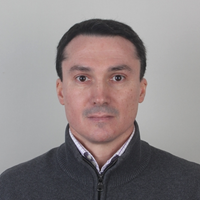
Prof. Eric van Hullebusch, Institut de Physique du Globe de Paris, Université de Paris, France
Bio: Prof. Eric D. van Hullebusch received his PhD (Aquatic Chemistry and Microbiology) from Université de Limoges (France) in 2002. From November 2002 until October 2004, he was a Marie Curie Postdoctoral fellow at Wageningen University & Research (the Netherlands) where his research focused on the optimization of anaerobic granular sludge reactors by studying the speciation, bioavailability and dosing strategies of trace metals. In 2005, he was appointed as associate professor in biogeochemistry of engineered ecosystems at Université Paris-Est (France). From September 2016 until August 2018, he worked at IHE Delft as chair professor in Environmental Science and Technology and head of the Pollution Prevention and Resource Recovery chair group. In September 2018, he joined Institut de Physique du Globe de Paris (France) as full professor in Biogeochemistry of engineered ecosystems. Prof. van Hullebusch has published more than 310 peer-reviewed papers (21000+ citations, h-index 74) in the field of biogeochemistry of metals and metalloids in engineered ecosystems. His research is currently mostly focusing on the implementation of biohydrometallurgical approaches for the recovery of technology critical elements as well as polluted soils (bio)remediation with a particular focus on Poly- and perfluoroalkyl substances (PFAS).
Speech Title: Biohydrometallurgical Strategies for Critical Metal Recovery in a Circular Economy
Abstract: Biohydrometallurgy has emerged as a promising and sustainable approach for the recovery of critical metals from diverse waste streams. With the increasing global demand for materials such as rare earth elements, lithium, and cobalt—essential for advanced technologies and renewable energy systems—innovative recovery strategies are required to ensure resource security and environmental protection. Biohydrometallurgical processes utilize microorganisms, including bacteria, fungi, and microalgae, to facilitate metal recovery through mechanisms such as bioleaching, biosorption, and bioprecipitation. These biologically driven methods enable the efficient extraction of valuable metals from secondary resources, including electronic waste, mine tailings, industrial effluents, and municipal waste, thereby contributing to waste valorization and reducing dependence on primary mining. In this context, biohydrometallurgy supports sustainability by lowering energy consumption, minimizing hazardous emissions, and promoting circular resource use. However, challenges remain in optimizing process efficiency, selectivity, and scalability for industrial applications. Advances in microbial engineering and the development of integrated recovery systems are key to overcoming these limitations. This presentation highlights the potential of biohydrometallurgy as a viable solution for critical metal recovery, emphasizing its role in sustainable resource management and the transition toward a circular economy.